
Finding Peace Amid Chaos: A Christmas Reflection & Practical Steps
We sing about a silent night and imagine a calm, starry scene. But the first Christmas, as told in Luke, was noisy, startling, and downright chaotic for the people who lived it. Those shepherds didn’t get a postcard-perfect moment. They were doing their job when an angelary light burst into the sky and the heavens seemed to break in. Their first response was terror. Their second response was to move toward the proclamation: a Savior has been born—God’s gift of peace.
Why peace feels out of reach
Life chips away at peace in tiny, maddening ways. A few weeks of house repairs, a leaking ceiling, a busted doorknob, a desk that collapses out from beneath you—these are small disasters that pile up into a week of unrest. Even when the global news is worse, the daily irritations are profoundly personal: the flat tire, the iced-over truck door, the sleepless nights when anxiety does overtime between two and four in the morning.
We often look at peace as a thing to obtain—if only we could finish our to-do list, control every outcome, or finally knock some items off our calendar, then we could settle into calm. But that equation fails every time. Juggling more will never guarantee control. Real peace is not a prize for the perfectly organized; it is not a condition you manufacture. It is something different.
Peace is a person
Peace is not the absence of chaos; peace is the presence of Christ in the midst of chaos. That is the heart of the Christmas message. The name "Prince of Peace" is not a poetic tagline. It identifies Who brings peace—someone, not something. Jesus described the peace he gives as a gift. A gift is not earned, purchased, or achieved. It is received.
"I'm leaving you with a gift—peace of mind and heart. The peace I give is a gift the world cannot give, so don't be troubled or afraid."
That gift disrupts our assumptions. Instead of striving to control every variable, the invitation is simple: bring your chaos to the One who offers peace freely. This is not a promise that chaos will vanish. The world remains fallen and noisy. But the person of peace makes a different promise: you do not need to be swallowed by the chaos.
The shepherds and the unexpected arrival
Picture the shepherds: low-status workers on the edges of society, awake at night from necessity, not anticipation. Then an angel appears, the radiance surrounds them, and they are terrified. Scripture is blunt: they were scared. The phrase "don't be afraid" likely did little to soothe them in the moment. Then the angel announces the birth of the Messiah, and suddenly a host of angels fills the sky, praising God and declaring peace to those who find favor with God.
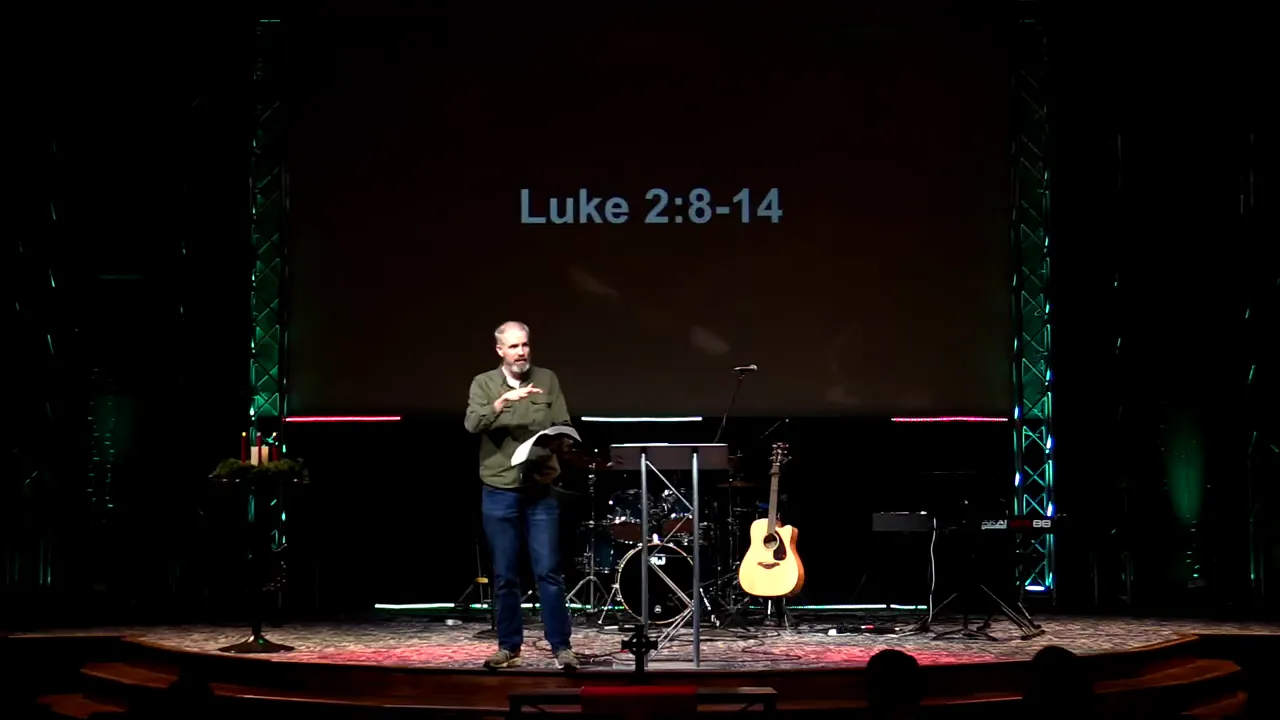
That night proves two things. First, God does not wait for ideal circumstances. He enters human messiness and disruptive history. Second, the proper response to that divine interruption is movement toward the Good News, not retreat. The shepherds didn’t hide; they went to see the newborn King, and then they told others what they had seen.
How to practice peace now
Receiving the peace of Christ is simple, practical, and strangely countercultural. It does not demand grand gestures. Here are tangible ways to put the Prince of Peace into practice this week.
- Turn toward God with a short prayer. Name the chaos. Say, "God, I give this to you in exchange for your peace." You do not need to resolve every problem; you need to hand over what you cannot control.
- Respond like the shepherds—immediately and simply. You do not need perfect understanding or a plan. The shepherds went and trusted what the angel said. You can move toward Christ in honest, small steps.
- Bring small acts of peace into ordinary places. Hold a door for a hurried parent, offer a word of kindness to a cashier who just endured a rude customer, bring a coworker coffee when they seem distracted or tired.
- Refuse to be driven by division. Christmas declares war on the things that pull people apart. Seek the common ground, practice listening, and choose unity in ordinary conversations.
Small acts that have big effects
Never underestimate the power of something tiny. A baby in a manger sounds like the strangest strategy to change a brutal empire—and yet that small, vulnerable arrival altered history. You are not asked to fix everything. You are asked to bring presence, calm, and compassion into one small situation at a time. Those small interventions ripple.
"Think about the smallest way you could bring peace into the chaos. That small thing might be really, really big to someone else."
Living as people of peace
Imagine a community where people intentionally carry the presence of Christ into the messy moments. A market where strangers are gentler with cashiers. An office where someone notices and brings a coffee. A household where stress is met with a short prayer and a shared breath instead of an explosion. That is the vision that follows the shepherds: those who met the Messiah could not keep quiet. They went and shared the news.
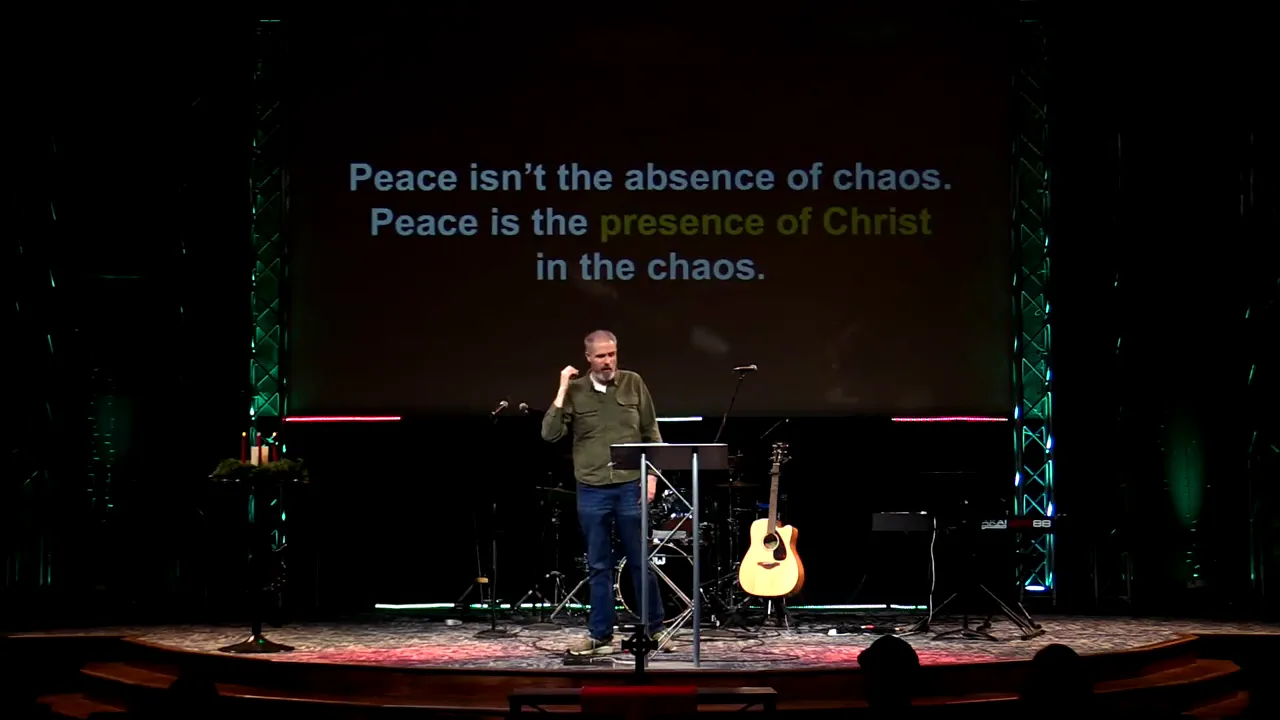
Peace is a gift to be received and a gift to be given away. It is not a state to manufacture but a presence to bring. In the middle of schedules, repairs, broken doorknobs, and collapsing desks, choose to carry Christ’s calm into the next moment you encounter. The world will stay chaotic, but you do not have to be carried by it.
Closing blessing
May you receive the Prince of Peace this week. Give your chaos to him and take up the gift he offers. Then look for one small way to share that gift with another person. A short prayer, a held door, a kind word—these are the small, faithful ways we join in the work God began in the manger.