
Why Hope Is the First Focus of Advent
Holiday music fills every store, elevators hum the same carols, and social feeds are full of smiling families. Yet for many of us the season feels complicated: sometimes it is the best time of the year, and sometimes it is not. That tension is where Advent begins — not with lights and tinsel but with longing, heartbreak, and the hard questions: Where is God in my pain? Am I alone?
The Quandary of Holiday Feeling
There is cultural pressure to be cheerful, to "manifest" joy, and to have everything look perfect for photographs or social posts. Christmas movies and playlists are offered as a remedy as if more festive content will finally put us in the mood. But feelings are not the root of what makes Christmas meaningful.
Christmas is wonderful because of who came to be with us. That truth changes the landscape of the season: instead of chasing manufactured cheer, Advent asks us to slow down and notice the deeper promise that Jesus embodies — Emmanuel, God with us.
Advent’s True Start: Longing and Lament
Advent was born out of a people who had been waiting. Their story is not one of uninterrupted celebration. Long before a manger was filled with straw, Isaiah’s words spoke of people walking in darkness. They were worn out by injustice, poverty, and the sense that God had gone silent.
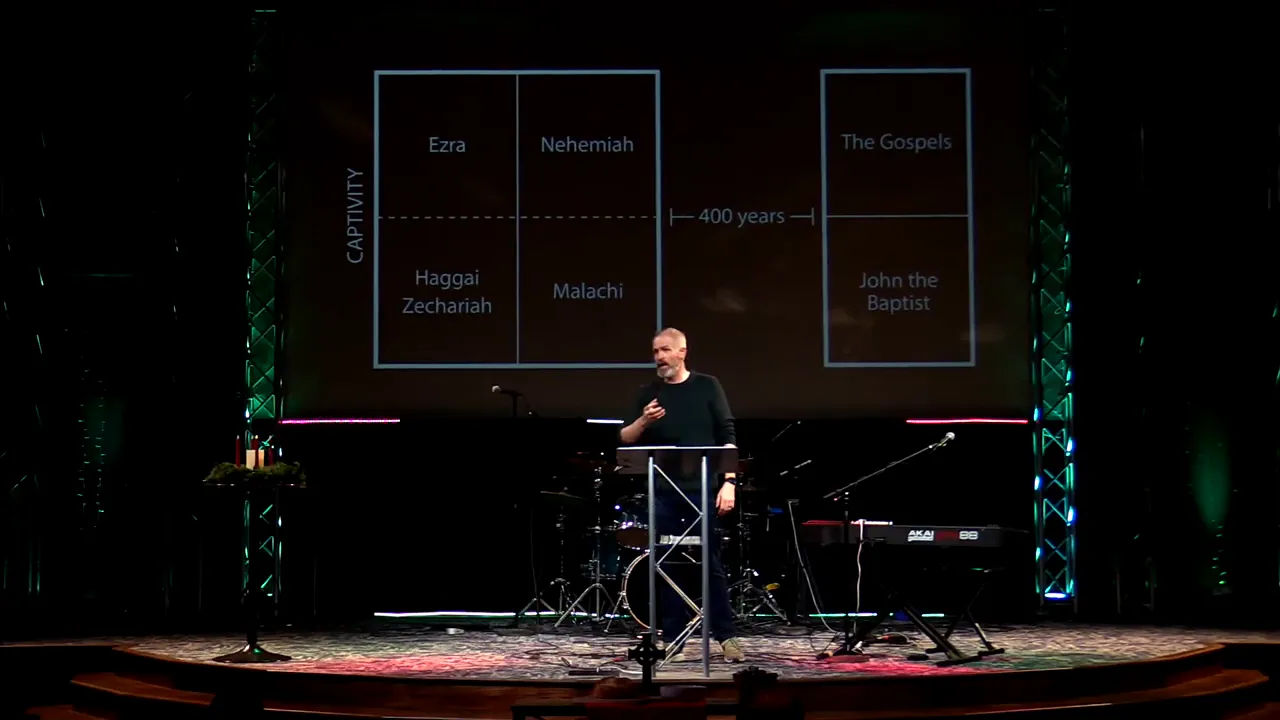
That silence lasted. Historically there is a roughly 400-year gap between the close of the Hebrew Scriptures and the beginning of the New Testament — a season scholars call the Intertestamental Period. For generations this felt like divine radio silence. The questions were raw: Has God forgotten us? Where is God in our suffering?
Why Advent Begins with Hope, Not Hype
Advent does not pretend everything is fine. It honors the ache and the honest questions. But Advent also points toward hope. It is the bridge between a long darkness and the surprising entry of God's light into history. Instead of asking us to fake our feelings, Advent invites us to recognize our need and to receive a hope that is bigger than temporary cheer.
O Come, O Come Emmanuel — a Song of Rescue
The ancient hymn captures this truth in desperate and beautiful language. Its verses are not lullabies; they are pleas for rescue. Consider these lines:
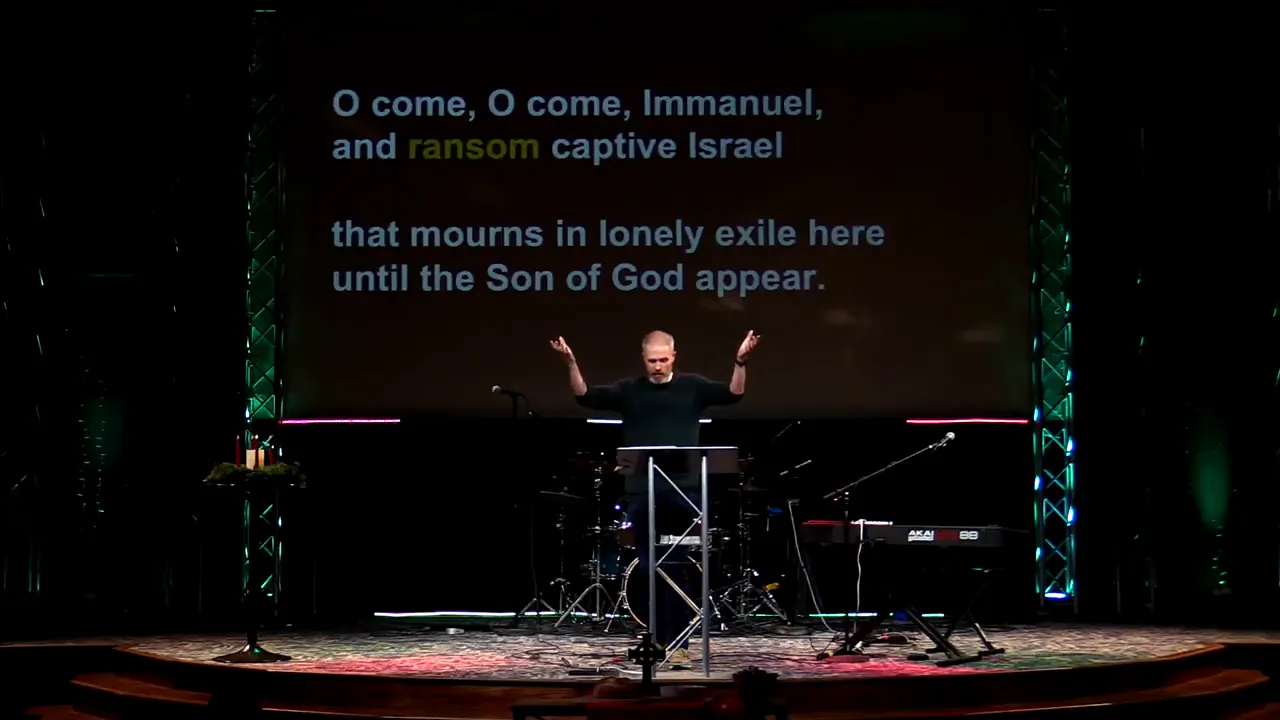
O come, O come Emmanuel, and ransom captive Israel that mourns in lonely exile here until the Son of God appears.
Ransom. Comfort from afar. Turning darkness into light. Binding hearts together and being the king of peace. These lines remind us that the coming of Jesus is not a decorative moment — it is rescue in the midst of despair.
Timing Matters: God Shows Up in the Dark
Scripture makes a surprising point about timing. The one moment God chose to enter human history is not when spirits were high or when a nation was throwing parades. He chose a moment when despair was deep and hope seemed faint. The angel’s announcement to Mary came into that environment — a humble life, a fearful time, and yet a readiness to trust.
Mary’s Response: Faith Amid Confusion
Mary’s reply — "I am the Lord's servant; may your word to me be fulfilled" — models a kind of faith that does not require full understanding. She was not given every answer. She was invited to trust a promise. That small step of faith opened the way for the fulfillment of a hope the world sorely needed.
The Gift of Hope Is an Invitation
Hope in Advent is not a coaxing phrase; it is a tangible offer. It asks two real things from us: to live in God’s presence and to partake of God’s love. Alexander McLaren put it simply: true peace comes not from the absence of trouble but from the presence of God. Peace is available even when circumstances are not changed overnight.
Think of it like watching a 3D IMAX: the movie is the same whether you wear the glasses or not, but the experience changes. The presence of God is constant. Our experience of peace depends on whether we choose to live in that presence and partake of the love being offered.
Communion: A Practice of Partaking
One way to partake of God’s love is through communion. This simple act recalls the last supper Jesus shared with his disciples — not as a set of rules but as an invitation to be friends at the table, to remember that death is not the last word, and to proclaim hope until He returns.
If there are burdens or things weighing on your heart, take a moment to offer them up. The traditional prayer of confession acknowledges our brokenness and opens space for mercy:
Most merciful God, we confess that we have sinned against you in thought, word, and deed... We are truly sorry and we humbly repent. For the sake of your Son, Jesus Christ, have mercy on us and forgive us.

Practical Ways to Lean Into Advent Hope
- Be honest about your feelings. Bring your weariness and worry into prayer instead of masking them with mandatory cheer.
- Practice presence. Quiet moments, reading Scripture, or simply sitting in silence can be ways of living in God’s presence.
- Partake of the community table. Whether through communion or shared meals, participate in practices that remind you you are not alone.
- Trust in small acts of faith. Like Mary, small steps of trust can open possibilities you cannot imagine.
- Remember the rescue narrative. When life feels overwhelming, recall that the same rescue sought by a captive people is offered to you today.
An Invitation
Advent calls us to hold both the ache and the hope. It does not denigrate the pain nor does it allow despair to be final. The season points to a presence — Emmanuel — and invites us to trust that God is with us even in the messy, imperfect places of life.
Lean into that presence. Partake of the love being offered. Let hope take root not because the circumstances have changed but because you have a companion in the midst of them.