
Rooted Faith: Training Habits for Lasting Christlike Growth
Building Strong Roots: The Journey from Belief to Christlike Living
I fell in love with a pellet smoker I found on a neighborhood Facebook group. It was a fire sale—someone moving away—and I grabbed it. If you’ve ever gone from cranking a propane grill to tending a smoker at 225 for a day, you know the discovery: slow and low produces depth of flavor you can’t rush. It takes patience, attention, and practice.
That idea—slow, steady, patient work producing something rich and lasting—is exactly the lens I want to use for spiritual growth. Too often faith is treated like fast food: quick, convenient, and forgettable. Real maturity in Christ is more like smoking a brisket than nuking a meal. It requires training, time, and everyday practices that shape who we become.
The Problem: Microwave Faith
Culture sells instant solutions. Quick fixes, gurus, courses, and personality-driven hacks promise immediate transformation. They might feel helpful at first, but many of those “answers” act like duct tape on a structural problem. They mask the symptoms without changing the foundation.
Faith that’s rushed or only surface-level becomes fragile. When trouble hits—job loss, broken relationships, grief—that kind of faith often dissolves because it was never trained for endurance. It stays in the realm of slogans and slogans don’t sustain people through pain.
From Saying Yes to Following
Saying “yes” to Jesus is real and essential. But believing and following are not the same endpoint. The New Testament early followers were known as followers of the Way because following Jesus meant adopting a new pattern of life—a path to be walked, not a one-time decision to be checked off.
True spiritual maturity moves beyond a one-time confession to a lifetime of formation. That formation is not accidental. It is shaped by two primary questions: Who are you following? and What are you practicing?
Milk and Solid Food: Hebrews 5 and Spiritual Training
The author of Hebrews offers a blunt diagnosis: believers can stay on milk when they should be eating solid food. That image isn’t a put-down as much as a reality check: maturity is marked by the ability to discern right from wrong and to live accordingly.
“You are like babies who need milk and cannot eat solid food... Solid food is for those who are mature, who through training have the skill to recognize the difference between right and wrong.”
Notice the phrase through training. Maturity is not automatic. Time alone does not produce it. You can be a Christian for decades and still be spiritually immature if you never allow your beliefs to shape practice.
That training builds the skill to recognize what is right and wrong in a world filled with competing voices. A mature follower can see moral contours clearly because their habits, disciplines, and community have sharpened their spiritual senses.
Information vs. Transformation
We live in an age where information is abundant. The Bible is more accessible than at any time in history—free on phones, read aloud, explained in podcasts and sermons. But more data rarely equals deeper transformation.
Transformation requires practice. It is possible to know what to do and still fail to do it. People who face financial collapse often knew the common-sense steps that would have prevented it, yet did not practice them. The same is true spiritually: knowing is not the same as living.
Putting knowledge into practice is messy. It requires repetition, failure, correction, and persistence. That’s training.
Training for Godliness
Paul’s counsel to Timothy is striking: train yourself for godliness. He pairs this with a sobering truth—while training the body has value, spiritual training has eternal value. The disciplines that shape character and love have impact beyond this life.
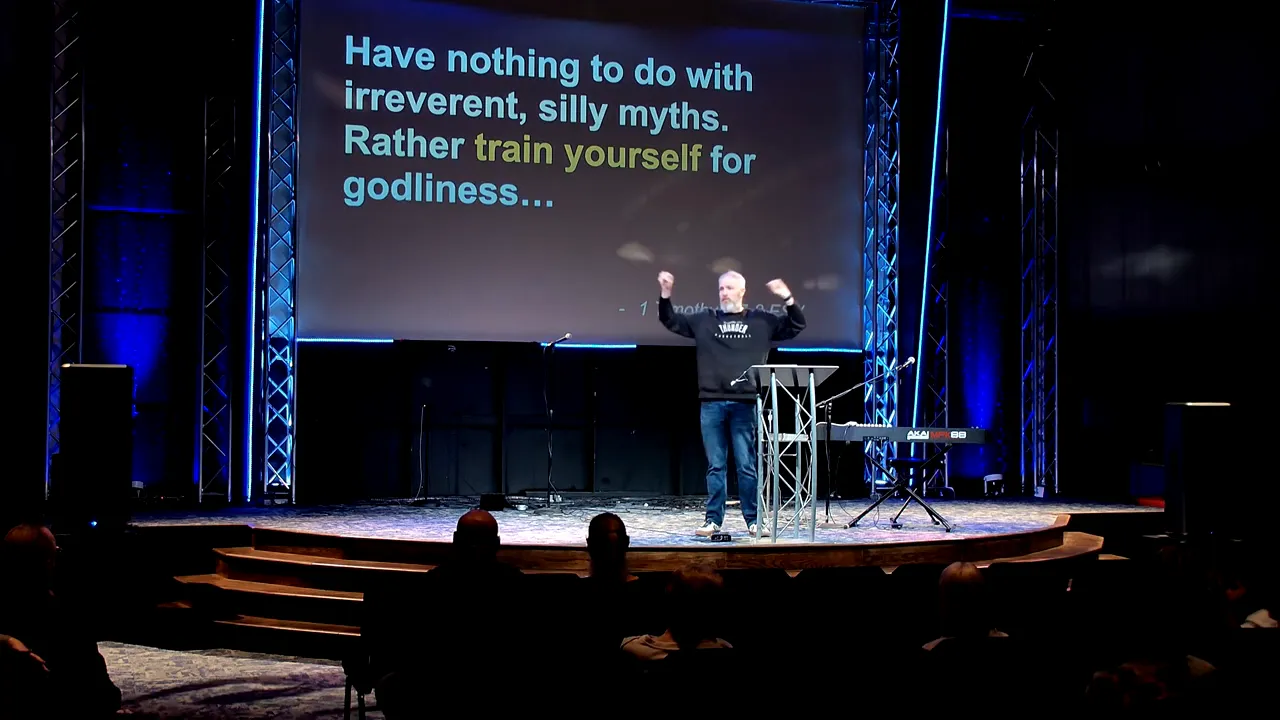
Think of training like practice in the Olympics. Spectators assume athletes succeed because they have the right information. In reality they succeed because of relentless training. The same principle applies to spiritual life. Repetition forms muscles of character—patience, humility, compassion—so that in times of testing we respond from a habit of Christlike living rather than impulse.
Drift Happens: The Truck That Pulls Right
Life has a way of nudging us off course. I hit a curb recently and now my truck pulls to the right. I have to hold the wheel deliberately to stay straight. It’s a small daily adjustment, but if ignored the pull worsens.
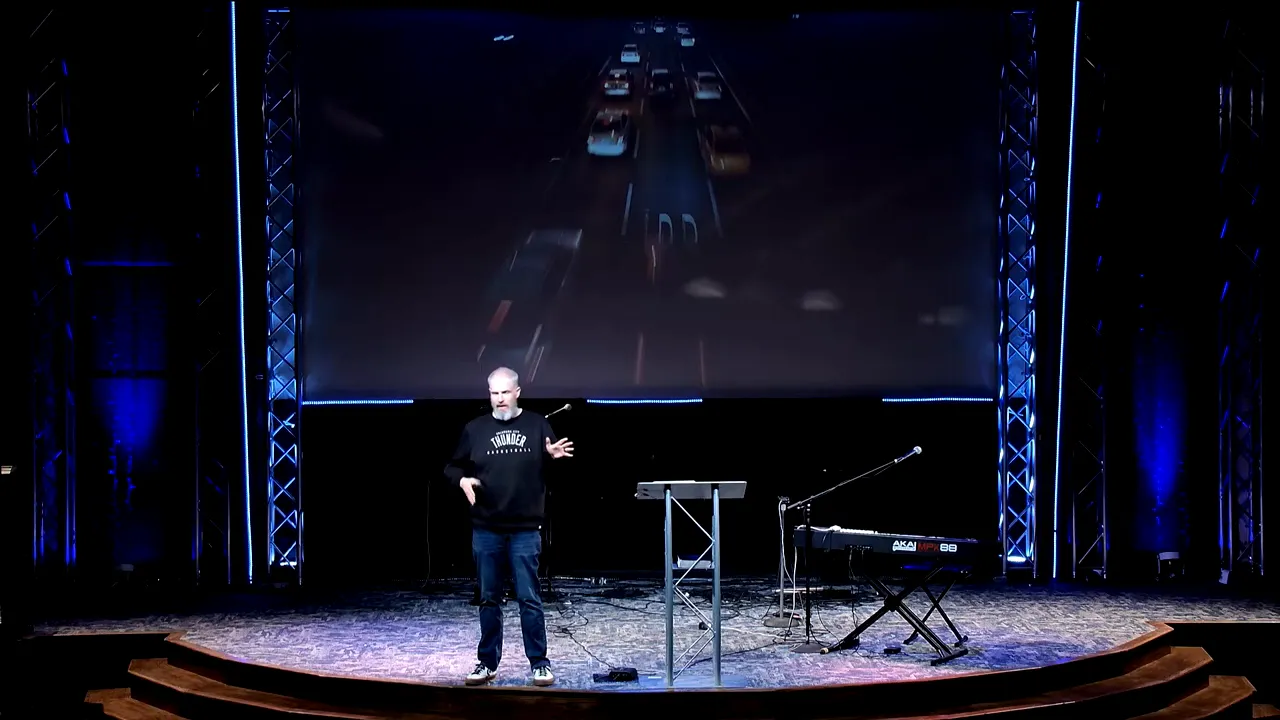
We do not naturally drift toward holiness. The gravitational pull of culture, desire, and consumerism tends to draw us away. If we are not practicing faith—reading scripture, praying, loving neighbors—the default motion is drift, not growth.
“People do not drift toward holiness.” — D. A. Carson
But notice Carson’s phrase: apart from grace-driven effort. Growth is not about self-effort alone. Grace changes us and then enables a transformed effort—habits not motivated by guilt but by gratitude and new identity in Christ.
Who You Follow and What You Practice
The two levers of spiritual growth are clear:
- Who you follow — Is Jesus the central authority of your life or is something else? Following Jesus is more than admiring his teachings; it is letting his pattern shape decisions.
- What you practice — What do your daily rhythms produce? Do your habits form love, patience, generosity, and mercy?
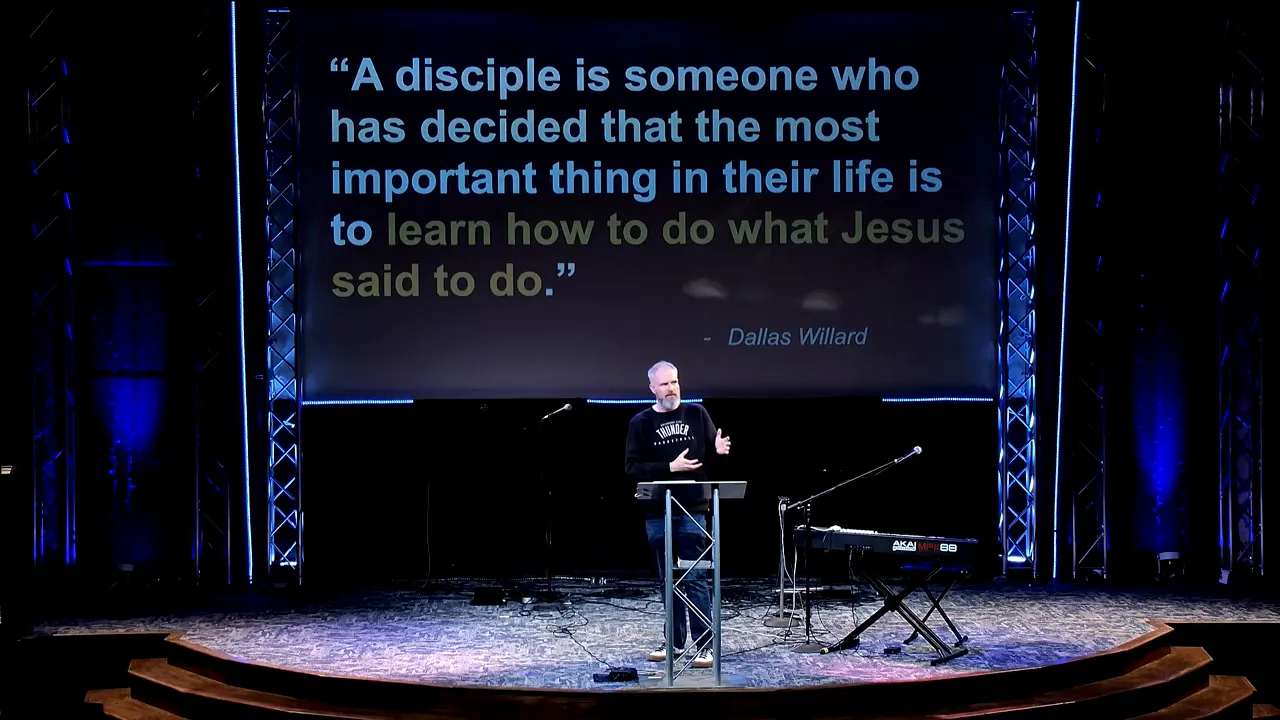
Dallas Willard said a disciple is someone who has decided the most important thing in life is to learn how to do what Jesus said to do. That decision must be translated into practices: prayer, scripture engagement, service, and community.
What Practices Shape the Roots?
Belief is like roots. Roots are largely invisible, but they determine what the tree produces. Practices are the visible fruit. If the roots are healthy—trust in Christ—then the fruit should look like Christ: love for neighbor, sacrificial service, and ethical living.
Here are practical rhythms that cultivate those roots and produce lasting fruit:
- Daily Scripture engagement — Read, listen, or follow an audio Bible. Let God’s story narrate your story.
- Consistent prayer — Simple, honest prayer. Meister Eckhart said if the only prayer you ever pray is “thank you,” that is enough. Gratitude reshapes the heart.
- Small acts of service — Serve neighbors, invite someone to church, volunteer with homeless ministries or children’s programs. Serving reorients us outward.
- Community rhythms — Gather with other followers regularly. Community disciplines, accountability, and shared mission accelerate growth.
- Daily repentance and recalibration — When you drift, stop, confess, and turn 180 degrees back to Jesus.
Repentance: Turning Back to the Way
Repentance is not a one-time ritual but a posture that recognizes wrong direction and chooses to return. It is a 180-degree turn away from what pulls us out of Christ’s orbit and toward practices that reflect his character.
It is also a courageous move. Admitting that what we thought mattered mattered less than we believed can be embarrassing. But stepping off a train that’s taking us away from God is precisely the moment of spiritual clarity and new growth.
Grace-Driven Effort
Repentance and training are not about legalism. They are responses to grace. God’s gift of freedom transforms our desires; then effort follows naturally. This is grace-driven effort—not trying to earn favor but living from the favor already given.
When grace changes the heart, the disciplines that follow are not burdens but avenues of growth. Prayer becomes less of a checklist and more of a breath. Scripture becomes less of an obligation and more of a guide. Service becomes less of duty and more of joy.
Two Simple Steps: Trust and Follow
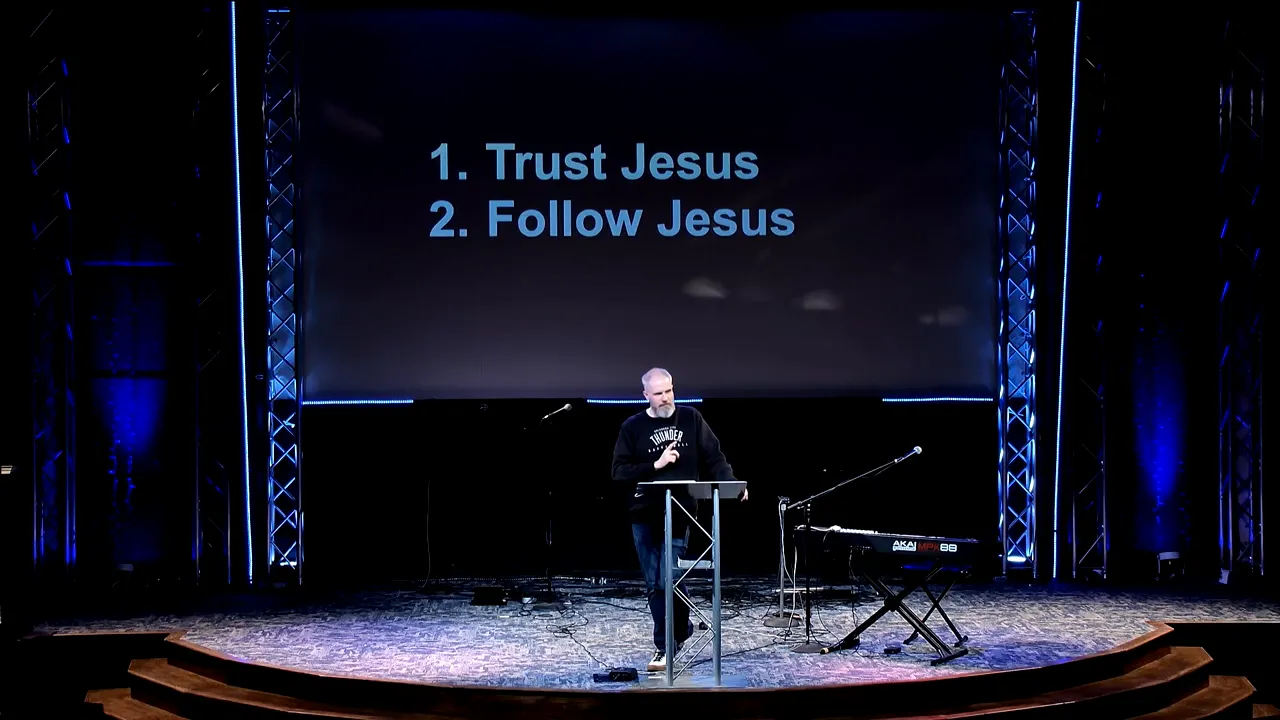
If you’re ready to root your life more deeply in Christ, two steps are essential:
- Trust Jesus — Acknowledge who Jesus is: Lord, Son of God, Savior. Trust that his victory over death opens new life and power for living now.
- Follow Jesus — Allow trust to lead to practice. Let belief shape daily rhythms that produce Christlike fruit. Trust naturally leads to following when it is genuine.
Many people say they trust Jesus but then stop at that point. Following Jesus, in practice, may feel harder because it asks for consistency, humility, and sacrifice. Yet it is the path to real maturation.
Practical Ideas to Start This Week
Here are simple, actionable steps you can begin today to strengthen roots and slow the drift:
- Schedule a daily 10–20 minute scripture and prayer time. Use an audio Bible if reading is difficult.
- Choose one weekly service opportunity—help at a shelter, volunteer with children, or assist a neighbor.
- Ask a trusted friend to meet weekly for accountability and mutual prayer.
- Practice a nightly reflection: What pulled me away today? Where did I see God at work?
- When you notice drift—stop. Name it. Repent. Recommit to one small practice that reorients you.
Small, faithful rhythms compound. They are the consistent heat that slowly turns the raw into the savory, the shallow into the deep. Over time those rhythms cultivate discernment, patience, and the ability to act rightly even under pressure.
Why This Matters
Spiritual growth matters because it shapes how you live now and beyond. Training for godliness promises benefit in this life—more meaningful relationships, clearer moral vision, and inner resilience—and in the life to come. The stakes are high, but the path is simple: trust, follow, practice.
Rooted beliefs produce visible fruit. Let your roots go deep in Christ so your everyday life produces the practices that point others to him. The time is not about quick fixes; it is about patient, grace-filled formation that makes you unmistakably more like Jesus.
Final Invitation
If you want to become someone whose life bears the fruit of Christ, start where you are. Trust Jesus. Then choose one practice and do it consistently. Be patient. Allow grace to shape your effort. Over time the slow work of training will transform you from milk to solid food, from fan to follower, from shallow to rooted.
Like tending a smoker, spiritual maturity requires steady attention. The results are worth the wait.