
How the Old Testament Points Us to a True and Better Jesus
Upgrade culture and what it does to our reading of Scripture
We live in an upgrade culture. Phones, appliances, clothes—everything seems designed to be swapped out before it wears out. Built-in obsolescence nudges us toward the newest model, the freshest feature, the latest lifestyle. That impulse leaks into how many of us approach faith: easily tempted to treat the Old Testament as outdated, an awkward previous generation to be discarded in favor of "the new."
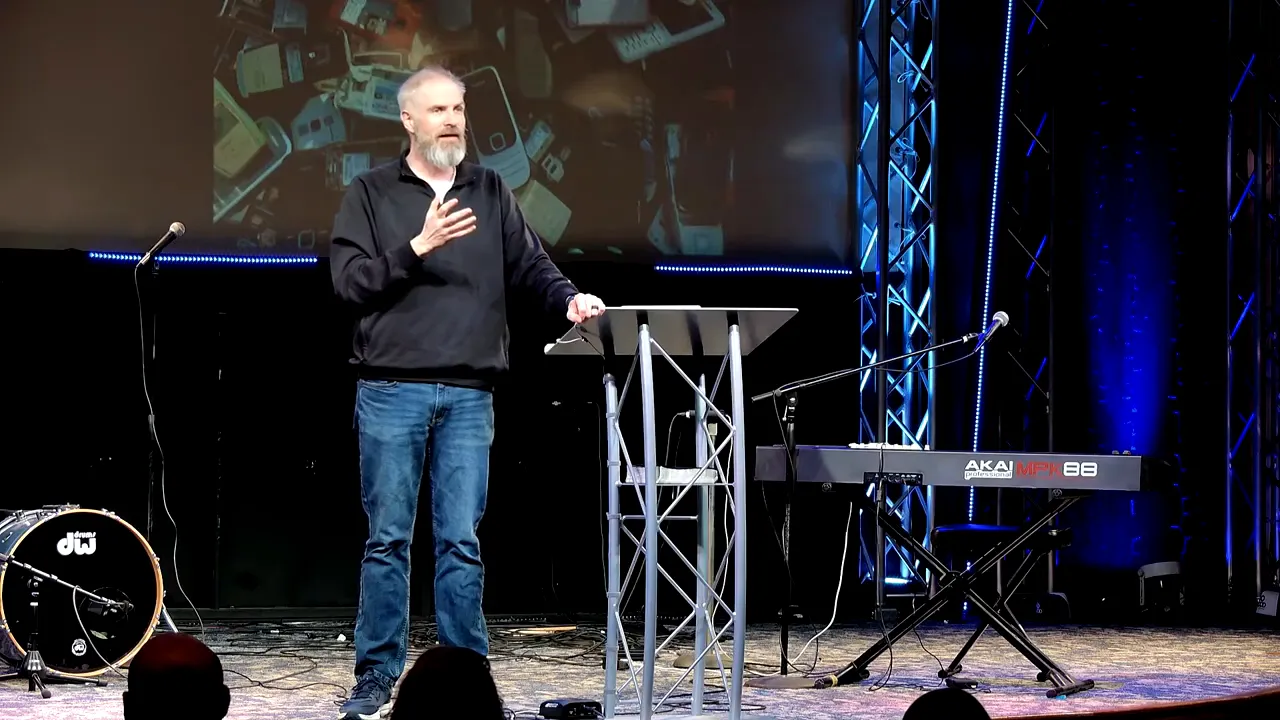
But the problem with that approach is that it misunderstands what the Old Testament is and how it's meant to function. The Old Testament isn't a broken thing to throw away. It's not junk waiting for an upgrade. It is a living history, a set of promises, laws, songs, prophecies, and stories that deliberately point toward something true and better—a person.
Why the Old Testament can feel foreign
If you've flipped through the Old Testament, you probably had some of the same reactions many people do: confused, even uncomfortable. Laws about ritual purity, sacrifices, and strange customs can seem irrelevant or morally jarring when read in isolation. Stories are full of flawed heroes, harsh justice, and cultural practices that don’t map neatly onto modern life.
Those reactions make sense. The Hebrew Bible belongs to a particular people in a particular historical reality. It was formed over centuries and shaped by laws and practices meant to govern life in that context. Jesus did not enter history in a vacuum. He appeared into a culture already steeped in these texts and traditions.
Old Covenant versus Old Testament: a necessary distinction
One important distinction to make is between the Old Covenant and the Old Testament. The Old Covenant refers to the specific legal and ritual system given to Israel—Levitical codes, temple sacrifices, priestly duties. The Old Testament is a broader category: it contains the law, the prophets, and the writings. They overlap, but they are not identical.
The Old Covenant was given to Israel and is not the governing covenant for those who follow Jesus. At the same time, the Old Testament remains scripture: rich in wisdom, poetry, history, and prophecy. It helps us understand the world into which Jesus came and the expectations that shaped people's hopes for a Messiah.
Obsolete? Yes—and not at all.
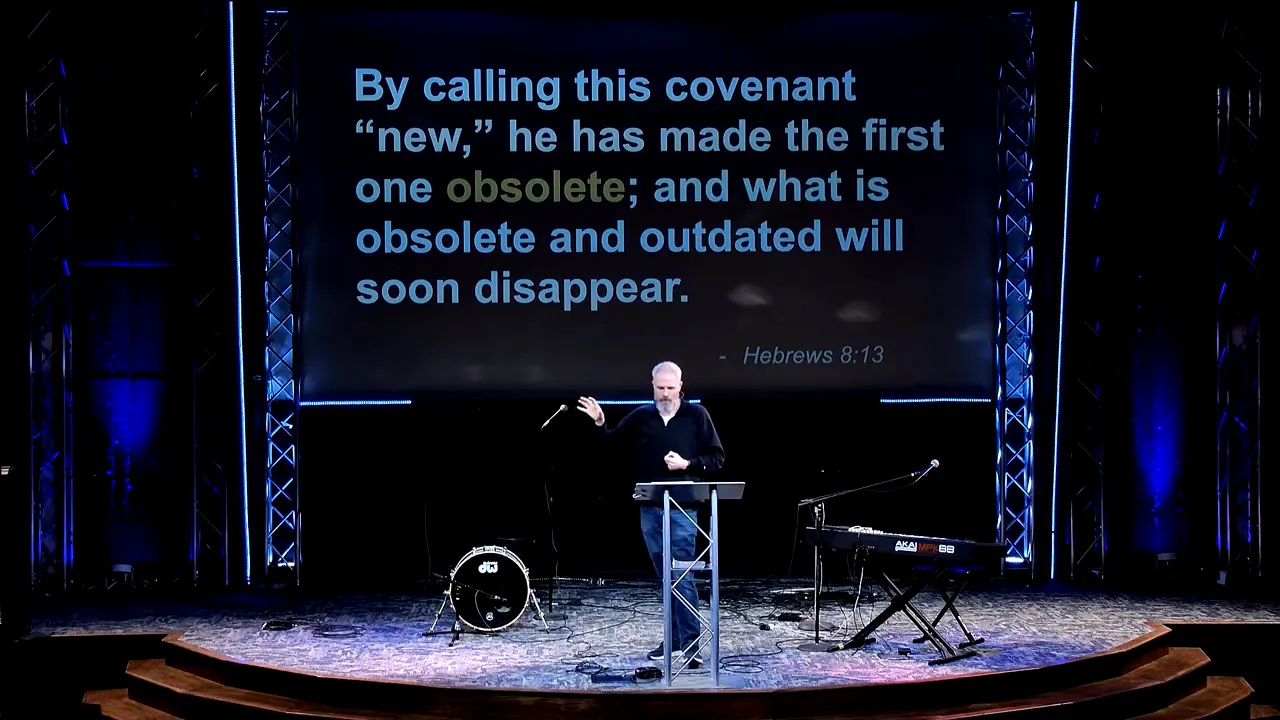
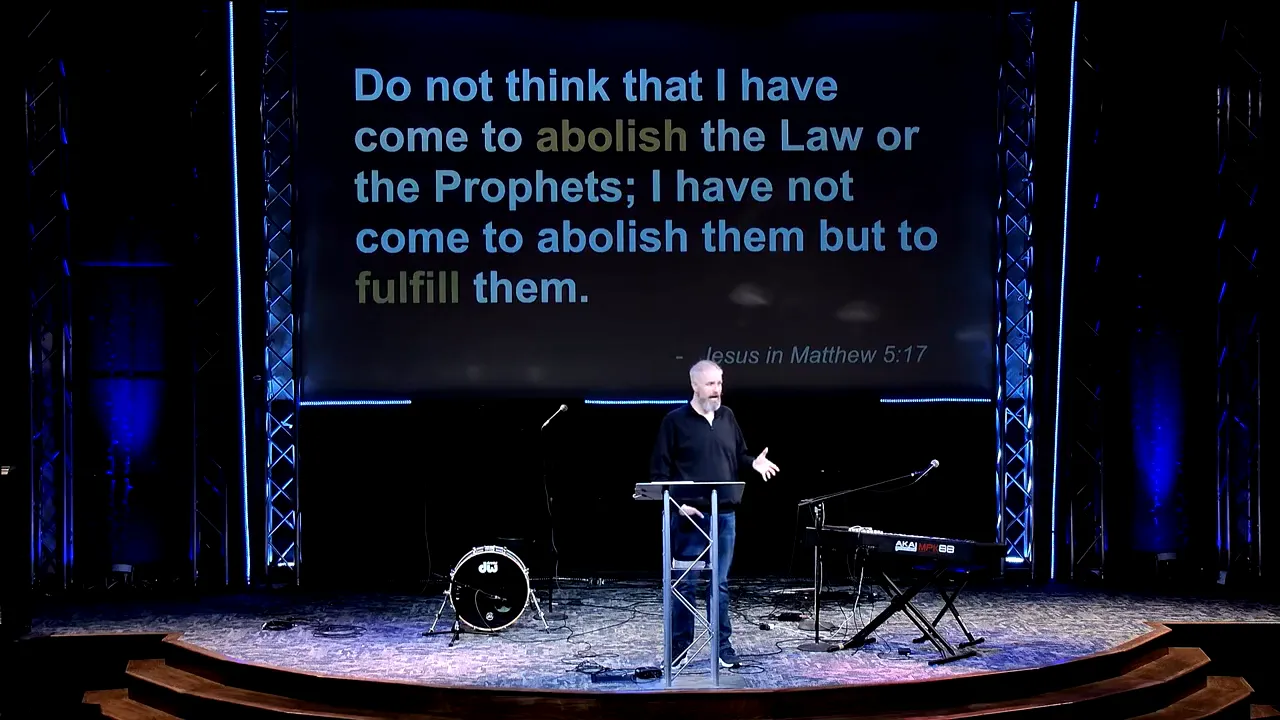
A passage in Hebrews describes the first covenant as made obsolete by the new. Taken alone, that sounds decisive: if something is obsolete, throw it away. But Scripture itself adds nuance. Jesus said, "Do not think that I have come to abolish the law or the prophets. I have come not to abolish but to fulfill" (Matthew 5:17).
Do not think that I have come to abolish the law or the prophets. I have come not to abolish but to fulfill.
Those two truths belong together. The Old Covenant is obsolete for those living under the new. Ritual sacrifices, temple liturgies, and the role of the priesthood as once required are finished in Jesus. Yet the Old Testament itself retains immense value because it points forward and gives context. Jesus fulfills what was promised and anticipated; He completes the story the Hebrew Bible began.
Christocentric reading: what it looks like
Reading the Hebrew Bible with Christ at the center—called a Christocentric reading—means we carry the knowledge of Christ and the resurrection back into the older texts. This is not anachronistic or disrespectful. It is hindsight with purpose. Once you know the end of the story, the earlier scenes take on new meaning. Think about watching a film when you already know the twist: you start noticing clues, foreshadowing, and character choices you missed the first time.
Apply that same habit to Scripture. When a priest placed sin patterns onto an animal and sacrificed it, that ritual pointed to a deeper reality: an innocent substitute who takes sin upon himself. When kings rose and fell, those temporary victories highlighted the need for an everlasting King who would end death and evil. The poetry of the Psalms, the righteous suffering of Job, the moral instruction of Proverbs—all of these are buds that bloom in the gospel flower.
Examples of Christocentric connections
- Sacrifices and atonement: The repeated system of animal sacrifices illustrated both the seriousness of sin and the need for a once-for-all atonement. Jesus becomes the final, true sacrifice.
- Kings and messianic expectation: Stories about David and the Davidic covenant prepare readers for a better King whose rule is eternal, not temporary.
- Tabernacle and temple symbolism: The tabernacle’s layout, furniture, and rituals symbolized access to God; Jesus embodies and secures that access in person.
- Prophecy and fulfillment: Prophets foretold restoration and a new covenant; Jesus fulfills many of those anticipations, making sense of the prophetic thread that runs through Scripture.
Why nuance matters
People often want religion to be binary. Laws or grace. Old or new. Right or wrong. The reality is more nuanced. The Old Covenant's legal system is no longer the governing way for those in Christ, but the moral and theological insights in those texts still teach and correct. Understanding that tension helps avoid two pitfalls: dismissing the Old Testament as irrelevant, or treating the Old Covenant as if it still promises salvation by ritual obedience.
Instead, the law acts like a tutor, a guard, or a mentor—pointing toward the thing it could not fully accomplish. The law shows the shape of holiness, but the law alone does not secure the heart or remove death. In Christ we see the completion of what the law anticipated.
Resurrection changes everything
The resurrection is the hinge that reorients history. For those who lived before Jesus, texts and rituals were lived in faith and expectation. For us, the resurrection reframes those materials as foreshadowing and preparation. The cross and the empty tomb are not an addendum; they are the interpretive key. They allow us to read the Old Testament with fresh clarity.
Classic theological phrasing captures this: the Old Testament is the gospel in the bud; the New Testament is the gospel in full flower. That botanical image is helpful. The Hebrew Bible germinates promise. The New Testament sees that promise bloom in Jesus.
Practical: how to read the Old Testament with Jesus in view
If you want to practice this approach, try a short, deliberate experiment: pick a passage—somewhere in the law, the prophets, or the psalms—and read it with these guiding questions in mind.
- What is this text pointing toward? Look for symbols, repeated language, or themes that suggest greater realities—sacrifice, purity, kingship, covenant, restoration.
- How does Jesus fulfill or complete this? Ask whether Jesus embodies the role or solves the problem the text addresses. For example, how does Jesus act as priest, king, or sacrificial lamb?
- What gap does this text reveal? Notice the limitation in the original context. Where is the need for something better?
- How does this shape Christian life today? Translate theological meaning into practical discipleship—how does this change the way you live, worship, or relate to others?
Here are a few passages to try and how to approach them:
- Leviticus (sacrificial codes): Notice the pattern of substitution and the repeated need for atonement. Imagine how a once-for-all sacrifice changes worship and conscience.
- Psalms: Read them as prayers that anticipate restoration. Many psalms look forward to a suffering servant and vindication that find shape in Christ’s life, death, and vindication.
- Isaiah (servant songs): Ask how the servant’s suffering and vindication point to a messianic, restorative work accomplished by Jesus.
- Daniel and the kings: Consider how earthly kingdoms fail but how Jesus’ kingdom is unshakeable.
- Judges and the cycle of the people: Look for human attempts at justice that fall short and how Jesus offers a different kind of righteousness.
Two applications worth holding
First, the moral and ethical teachings in the Old Testament still form a backdrop for Christian character. The Ten Commandments are timeless in their moral intuition, but consider why the Beatitudes are rarely displayed in public spaces despite being the core of Jesus’ ethics. The New Covenant is about grace and reorients the law toward mercy, internal transformation, and kingdom living.
Second, the Old Testament invites humility. Many who were steeped in those traditions missed the fulfillment they longed for. They were looking for a Messiah within the categories they had; when the Messiah came, He did not always match cultural expectations. That should caution us against assuming we always get new revelation right at first glance.
One story, one person
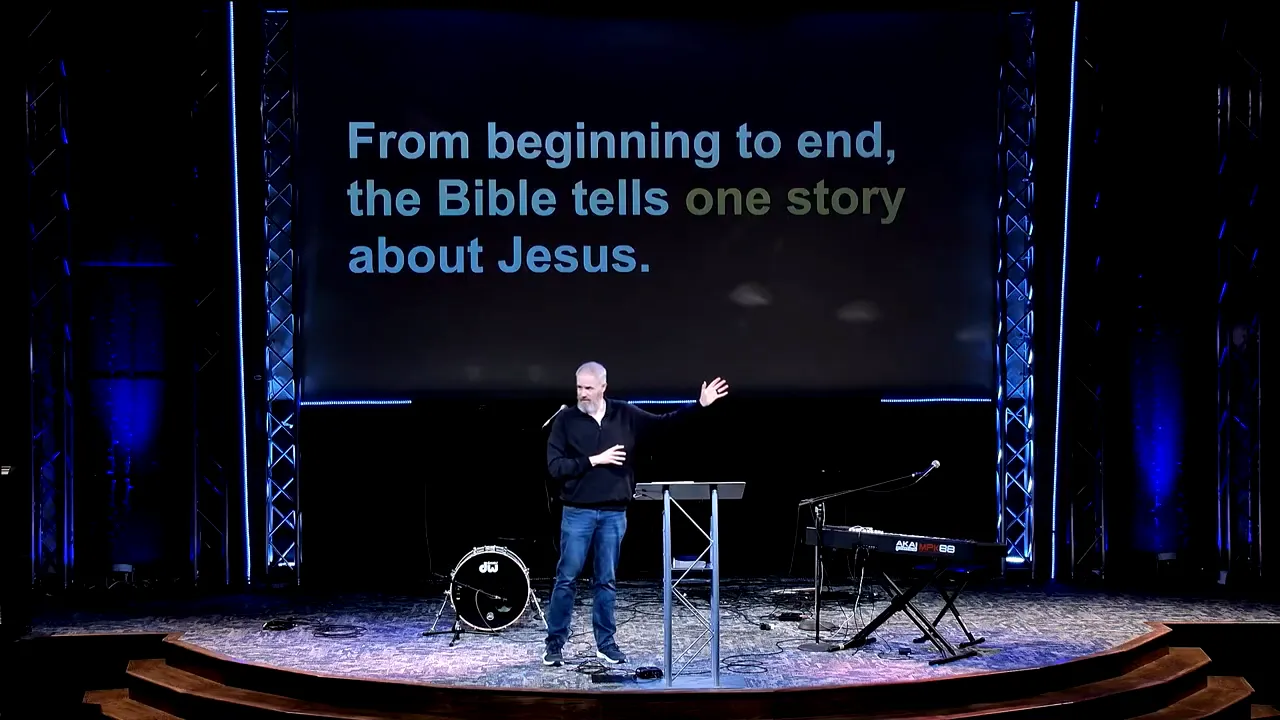
From beginning to end Scripture points to a single story and a single person: Jesus. Law, poetry, history, and prophecy do not exist to babysit ritual. They guide, shape, and prepare. They reveal humanity’s need and God’s unfolding plan to meet that need. That plan culminates in Christ, who rescues, reconciles, and restores.
The invitation of the New Covenant is not limited to a single nation or ethnic group. It is open to all by adoption. We are brought into God’s family through the one who is both fulfillment and doorway—Jesus.
Final invitation: a weekly practice
This week, pick one passage from the Hebrew Bible and read it with a Christocentric lens. Ask:
- How does this text point toward Jesus?
- What gap or shortcoming does it reveal?
- How does Jesus fulfill or complete the need the text addresses?
- How does this change my life now, under the new covenant?
Reading this way will not erase the difficulty or the strangeness of some passages. It will, however, help you see why they mattered and how they fit into a coherent, beautiful story. The Old Testament was never meant to be a museum of obsolete practices; it was meant to point forward—always moving toward the true and better person who brings life, forgiveness, and a kingdom that will finally be made right.
Resources and next steps
If you want to dig deeper, consider a short reading plan: pick one Old Testament book and read it slowly with the four questions above. Take notes on phrases that echo later New Testament teaching. Compare how Jesus interprets those earlier texts and how apostles apply them to the early church.
Let the ancient scriptures teach you, correct you, and point you. They are not trash from an upgrade culture; they are the roots from which the full gospel blooms.