
From Fans to Followers: Moving from Admiration to Obedience
From Fans to Followers: Finding the Courage to Do What Jesus Says
When cheering isn’t the same as showing up
There’s something almost universal about watching a sporting event and having an opinion. You know the scene: you’re gathered with friends, the game is tight, and suddenly everyone becomes a coach. There were plenty of voices yelling advice during the Seahawks game I was at—claims about what the team should do, critiques of the commercials, and loud exclamations when plays went wrong. We admire the athletes. We analyze the strategy. We know what we would do if we were in their shoes.
That’s a harmless, even fun, part of fandom. But it’s useful to notice the difference between being a fan—someone who admires from the sidelines—and being a follower—someone who steps onto the field and accepts the risks that come with following a leader.
Fans vs followers: the difference that matters
When it comes to faith, there’s a similar gap. Plenty of people know a lot about Jesus. They can quote theology, debate interpretations, and admire the miracles as impressive events. Some even treat Jesus like a celebrity—someone to admire from a distance or collect signatures from.
But knowing facts about Jesus and being willing to follow him with your life are not the same thing. The difference between a fan and a follower comes down to obedience and trust. Fans marvel. Followers obey, even when they do not fully understand the plan or outcome.
Why the wedding at Cana matters
One of the clearest images of this difference appears early in John’s Gospel: the wedding at Cana, where Jesus turned water into wine. At first glance this miracle can feel like a party trick—impressive, but not as headline-grabbing as raising the dead or healing grave disease. Yet there is something crucial in the way this particular miracle unfolds.
Mary, the mother of Jesus, notices the problem: the wine has run out. She tells Jesus, and his initial reply is puzzling—“My time has not yet come.” Still, Mary doesn’t argue. She tells the servants something short and decisive:
“Do whatever he tells you.”
That instruction—simple, immediate, and obedient—sets the rest of the scene in motion. The servants follow Jesus’ instructions to fill stone jars with water and then draw some out for the master of ceremonies. Somewhere between filling and pouring, water becomes wine. Not just wine, but the best wine, so good the master of ceremonies remarks at its quality.
Theology of inclusion: why Jesus invited help
Here’s a detail that often gets overlooked: Jesus did not need the servants to perform the miracle. He could have spoken and turned water into wine without anyone’s participation. Yet he chose to involve people—ordinary servants who obeyed a strange command and thereby became witnesses and participants in the first public sign that revealed his glory to the disciples.
This matters because it models how God often works. He invites people to participate in what he is doing. Obedience becomes a way of entering into God’s work, not by our own power, but by responding to his direction.
Why this sign is the first
From a human point of view, it’s curious that Jesus’ first miracle is social and relational rather than spectacular in the most dramatic sense. If you were creating a PR strategy you might lead with a resurrection. But Jesus began with a community moment—saving a wedding, providing joy and abundance for others. That choice reveals priorities: God's kingdom often shows up in everyday, relational ways, and he invites ordinary people to be part of it.
Faith is obedience before understanding
The servants’ actions illustrate what faith looks like in practice: doing what Jesus asks without having the full roadmap. That kind of faith is uncomfortable. It asks us to act before we understand. It requires surrender—handing over control and trusting that God’s purposes are better than our immediate judgments.
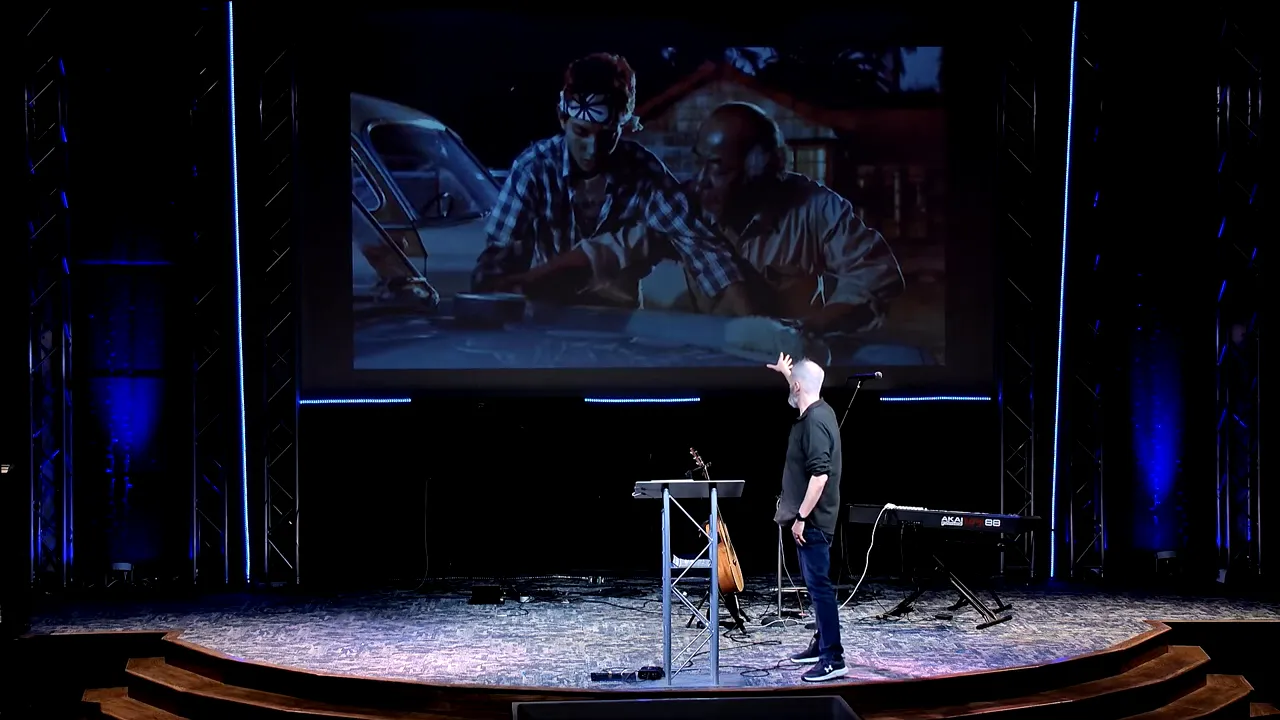
Think of the classic example from popular culture: the Karate Kid. Mr. Miyagi has his student perform repetitive chores—wax on, wax off—tasks that seem unrelated to the fighting Danielson wants to learn. But the repetition trains muscle memory and connects action to response; only later does Daniel see the purpose. Faith often requires similar patience. We do the small, seemingly mundane things now so we are ready when the moment comes that requires those habits.
Four practical steps to move from fan to follower
Turning admiration into participation is less dramatic than a miracle, and more practical. Here are four steps to begin living as a follower—people who do what Jesus says and therefore get to be part of what he is doing.
- Pray regularly. Prayer isn’t just a wish list or an emergency hotline. It’s an orientation toward God’s presence. Prayer shapes our desires so we can recognize God’s invitations.
- Prepare faithfully. Preparation includes spiritual disciplines—reading Scripture, worship, fellowship—that create a posture of readiness. These are the “muscle memory” of discipleship.
- Practice patience. Not every answer arrives immediately. Patience trains our confidence in God’s timing and keeps us available for when opportunity appears.
- Act in obedience. When a clear, faithful direction appears—no matter how small or strange—say yes. The servants at Cana did simple tasks. Their obedience was the pathway to a miracle.
What obedience does—and does not—require
Obedience is not the same as blind risk-taking. It isn’t about pretending you know all outcomes. It’s about trusting God’s character and stepping into what you’ve been invited to do. You are allowed to use wisdom, ask questions, and seek counsel. But do not make perfect clarity a precondition for action. That’s not faith; it’s control dressed up as prudence.
Common traps that keep us fans
Before we can follow, we often get stuck. Here are a few common traps and how to avoid them.
- Knowledge without surrender. It’s possible to be highly informed about faith—reading every theology book and attending many classes—yet remain emotionally and practically distant. Knowledge should lead to transformation, not self-satisfaction.
- Fear of looking foolish. The servants likely risked ridicule. Filling jars with water at a wedding where wine was expected could seem ridiculous. Fear stops action; faith invites risk for a greater end.
- Overemphasis on self-sufficiency. Culture praises personal strength and self-made success. But scripture repeatedly calls people to surrender and dependence. The surprising claim is that true power often shows up through surrender.
“The greatness of a man's power is in the measure of his surrender.” — William Booth
That quote cuts against the prevailing narrative. It doesn’t mean weakness—surrender requires courage. Surrendering to God is how people step into power that changes other lives, communities, and even the course of history.
Stories that warn and stories that invite
The New Testament contains a pattern of invitations extended and choices refused. Some people walked right up to the edge of following and stepped back. Judas had proximity to Jesus but ultimately chose betrayal. The rich young ruler had wealth and moral curiosity but turned away when discipleship demanded radical surrender. These stories are cautionary but also clarifying: proximity and knowledge are not the same as participation.
Contrast that with those who said yes. The disciples, the women who followed Jesus, and others who risked ostracism and hardship all discovered something remarkable: by obeying, they were invited into God’s work in ways bigger than anything they could have arranged themselves.
Small actions, big results
Don’t underestimate the small things. The servants at Cana performed ordinary actions—fill jars, draw water, serve the master. Those small acts became the stage for a sign that changed how the disciples believed. Miracles in the Gospels frequently have a practical, ordinary component that allows people to participate.
What could your jars be today? No two people have the same set of jars, but every follower has small, ordinary opportunities to obey:
- Choose kindness in a difficult conversation.
- Offer time to someone who is isolated.
- Practice honesty in a situation where it’s costly.
- Give a consistent portion of your resources to help others.
- Show up to pray or to serve when invited, even if it seems inconvenient.
How to start this week
If you want to move from being a fan to being a follower, start with simple steps that align your life with trust.
- Read a passage of Jesus’ words. Let them shape your imagination for what God invites you to do.
- Spend five minutes in prayer. Ask for courage to do the next thing God asks.
- Identify one concrete action. It could be calling someone, writing a note, volunteering, or giving. Do it within 48 hours.
- Reflect the next day. Notice how obedience changed your outlook and opened possibilities you wouldn’t have seen otherwise.
What happens when we say yes
When you act in faith, two things happen that are worth remembering. First, God uses ordinary obedience to reveal his glory. Second, you become a participant rather than an outside commentator. Instead of watching God's story unfold from the stands, you get wet hands and become part of the narrative—sometimes in small ways, sometimes in life-changing ways.
That participation is not self-glorifying. It’s a humble joining with the one who is already working. The reward is not merely a feeling of righteousness but being entrusted with something bigger—being used as an instrument in a story that brings life and restoration.
Closing invitation
If you feel stuck between admiration and action, try this: be a person of prayer, preparation, and patience. When a clear opportunity to serve appears, say yes. Do the small stuff faithfully. Fill your jars. Be willing to look foolish for a while. Trust that the One you follow is more capable, wiser, and kinder than your fear.
There are countless stories in scripture and in everyday life of people who took a simple step and watched God do the rest. The disciples saw Jesus’ glory for the first time at a wedding simply because someone followed an instruction. Maybe today you have a jar to fill.
What will you do this week to move from cheering on the sidelines to stepping onto the field? Start small, pray, and be ready to act when the opportunity comes.